

Victims of spousal or sexual violence: the law protects you
Are you experiencing violence from your partner, your ex-spouse or someone else? Be aware that the law provides for various ways to help you and ensure your protection.

To obtain more informations as to how le Protecteur du Citoyen can help you, go visit our frequently asked questions to file a complaint and our frequently asked questions for whistleblowers.
Are you experiencing violence from your partner, your ex-spouse or someone else? Be aware that the law provides for various ways to help you and ensure your protection.
You can access your health and social services information starting at age 14. Healthcare professionals, and other individuals if necessary, can also access it. However, you have the right to limit access to this information.
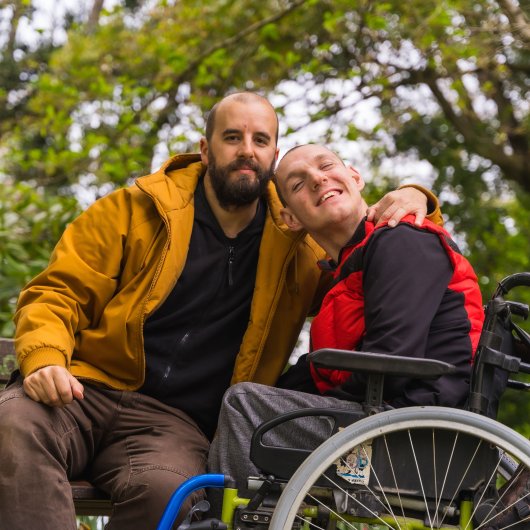
Does your child have a disability? Services and financial support are available for both you and your child, even if your child has reached adulthood. Here is an overview of what you may be eligible for.
Specialized nurse practitioners (SNPs) provide a wide range of services. For instance, they can make certain diagnoses. Read on to learn more about what they can do.
Are you a young person with a summer job or a part-time job during the school year? Your employer is responsible for ensuring that your work environment is safe. Here’s what you need to know.
Do you think you may be eligible for last-resort financial assistance, but are unsure how to apply? You can get help with your application.
Would you like to check if a relative living in a residential facility, such as a CHSLD, is being treated well? You can install a monitoring device in their room, under certain conditions.
The Protecteur du citoyen has released a report on youth protection services provided to First Nations and Inuit communities in Québec. Here are its main findings.
The Protecteur du citoyen has conducted an investigation into the Québec prison system’s response to the behaviours of particularly vulnerable individuals.
When healthcare and social services professionals want to provide care to a child, they must first consult the child’s parents. However, if the youth is 14 or over, their own consent to receive care is usually enough. Here’s what you need to know.