
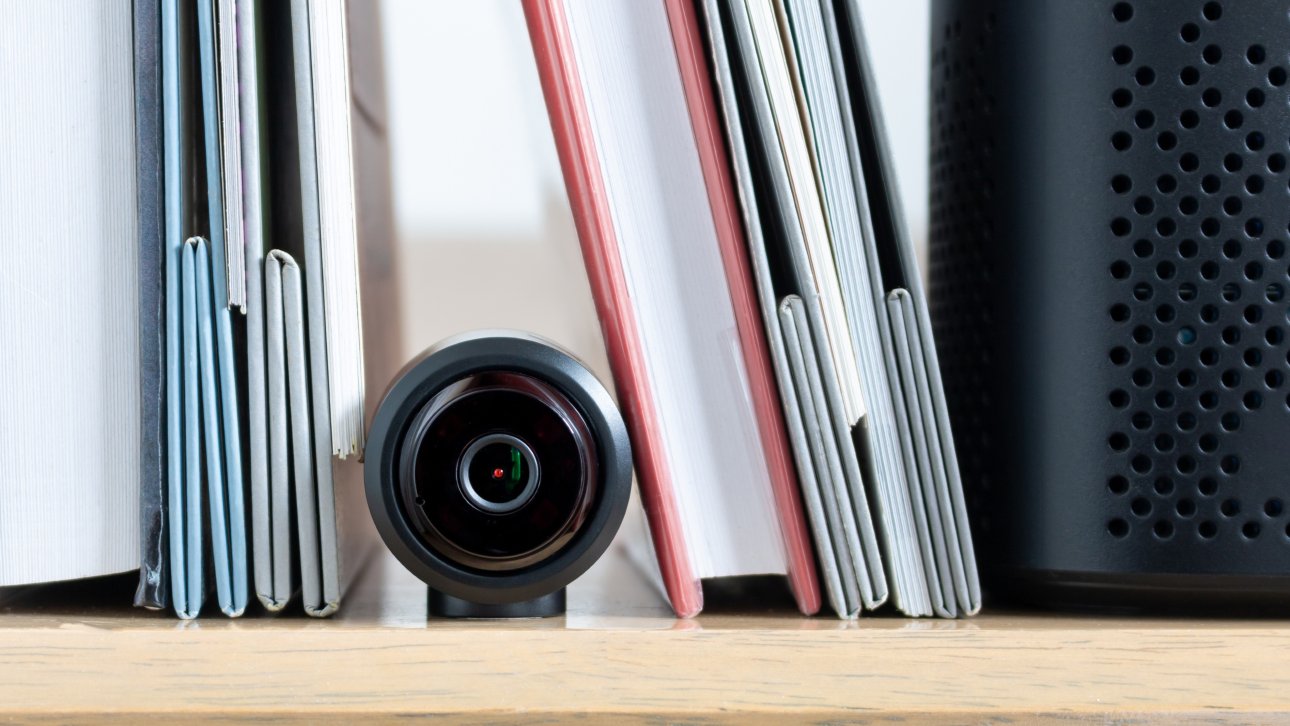
You have the right to install a camera in the room of a relative who lives in a CHSLD or other long-term residential facility. The purpose must be to ensure the person’s safety or to verify that the care and services provided are adequate.
However, any use of a monitoring device must follow certain rules and protect the privacy of residents and staff.
Where do the rules apply?
A new regulation, which came into effect in April 2026, extends the rules to several types of residential settings beyond CHSLDs and senior and alternative homes. It applies to long-term residential facilities for highly vulnerable adults with physical or intellectual disabilities, mental health conditions or autism. These facilities can include, for example, continuous assistance resources (RACs) and group homes.
Steps to follow
1. Obtaining authorization
If capable of doing so, the resident must consent to the installation of a monitoring device in their room. If the room is shared, the other residents (or their representatives) must also consent unless circumstances justify not obtaining their consent.
The device must not damage property belonging to the residential facility. The resident or their relatives are responsible for the associated costs.
2. Install the device carefully
You can use a monitoring camera or an electronic device that has a camera, such as a tablet or a cell phone.
The device may or may not be concealed. It must be positioned in a way that respects the privacy of everyone who uses the room. This means the camera must not capture images or sounds:
- of other residents in the room;
- from outside the room;
- from the bathroom, with some exceptions.
3. Only record what you need to
You have the right to install a camera to ensure the safety of the resident and prevent abuse. You should not record continuously unless the situation warrants it.
Need help?
If you have questions about:
- Cameras in rooms at CHSLDs or senior and alternative homes (MDAs): Be aware that a representative designated by the institution can help you understand and comply with the regulation. You can also consult the guide (French only) produced by the Ministère de la Santé et des Services sociaux.
- The rights of residents: Contact the residents’ committee of the CHSLD or senior and alternative home in question, or the users’ committee of the residential facility. The Centre d’assistance et d’accompagnement aux plaintes (CAAP) in your region can also help you in this regard.
Are you dissatisfied with the services provided by a residential facility? Contact the service quality and complaints commissioner of the healthcare institution (CISSS or CIUSSS) that oversees the facility in question.
Are you dissatisfied with the commissioner’s response, or have you not received a response within 45 days? Contact the Protecteur du citoyen as a second recourse. We will handle your complaint free of charge and with no complicated procedures.