
The Protecteur du citoyen has released an investigation report on the management of complex cases in Québec’s detention facilities.
A changing prison population
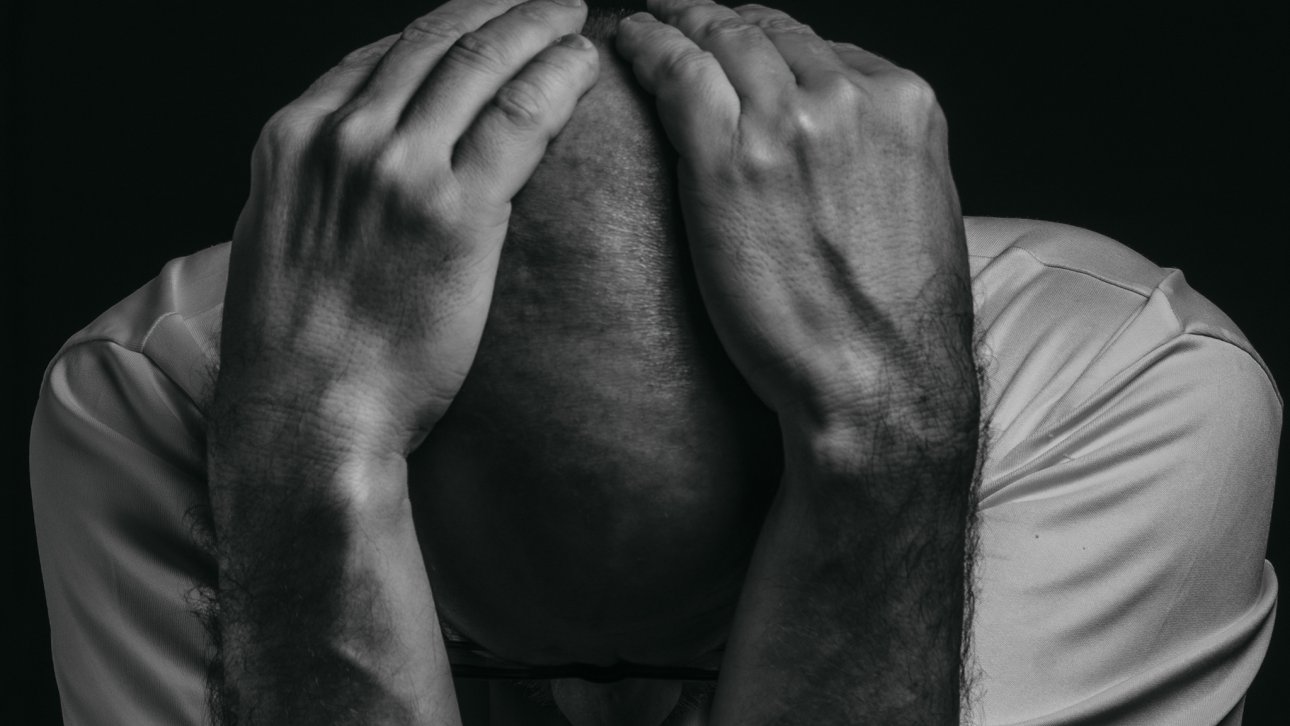
The makeup of the prison population has changed in recent years. Mental health issues, substance abuse, homelessness: some inmates are particularly vulnerable due to difficult life experiences, as illustrated by the stories of Simon and Christina [not their real names].
Simon has a mild intellectual disability, and his cognitive abilities are similar to those of a 12-year-old. In detention, his problematic behaviour escalates; he becomes unpredictable and aggressive.
Christina has borderline and narcissistic personality disorders. She has been placed in solitary confinement and must be handcuffed behind her back when she is moved, which she refuses to do. So she has remained in her cell for nearly two months. She talks to herself, is agitated and does not take her medication.
Inappropriate responses
In response to these behaviours, which reflect complex needs, detention facilities have primarily been relying on coercive measures:
- Solitary confinement, sometimes for long periods of time
- Physical force
- Pepper spray
- Handcuffs, legcuffs or a waist chain
Although these measures are intended to ensure safety, they are not always suitable for people with complex needs. A coercive approach can exacerbate behavioural problems and violence, putting the entire prison environment at risk.
Toward more humane practices
The investigation analyzed the intervention model developed by the Ministère de la Sécurité intérieure to manage complex cases. It was found that intervention practices need to be humanized and adapted to promote social reintegration.
17 recommendations
To support this transition, the Protecteur du citoyen has issued 17 recommendations to the Ministère de la Sécurité intérieure, which oversees Québec’s 18 detention facilities.
The recommendations focus on four priority areas:
- Clarify leadership, governance and structure
- Promote the adoption of the psychosocial approach in correctional settings
- Ensure the model’s long-term viability by strengthening support for staff
- Establish a monitoring system to ensure compliance with best practices
For more information
See the investigation report (in French only): Des drames humains derrière les barreaux – Une enquête pour améliorer la gestion des cas complexes dans les établissements de détention